Saving Money & More with Our Remote Operations Center

remote operations center savings

Table of Contents

Harnessing the Power of Remote Operations Centers for Efficiency and Savings

Remote operations in all industries have become more common in the last few years — from healthcare to education, and of course to oil and gas. A decade ago, managing a drilling operation from hundreds of miles away would seem impossible. However, with the right technology, processes, and people, it’s more than possible — it’s the direction the industry is moving in today.

While some clients hesitate to embrace remote operations simply because they are unfamiliar with them, those who understand the cost savings and additional value a remote operations center (ROC) brings to the project never look back to doing things the conventional way. Within just a few weeks, they realize how valuable a remote operations center is and how much money it can save them in the long run.

ProDirectional is a leader in remote operations, having completed over 30,000 remote tours with a group of highly trained remote operations specialists. And while we certainly save our clients thousands of dollars on each project, it’s in a different way than you might expect.

coring remote ops

Going beyond predictable cost savings

You may expect that the main way to reduce costs for the client with a remote operations center is by minimizing the number of personnel on site. As a result, you have a lower day rate and a lower cost of service delivery. All of this is true — by having a remote operations center we are able to reduce the day rate and cost of service delivery for our clients. However, this is only the tip of the iceberg when it comes to cost savings.

At ProDirectional, we’re never satisfied with the status quo, and are always looking for ways to go above and beyond for our clients. We know that the only way we can succeed is when our clients succeed. This is why the main way we offer cost savings for our clients through a remote operations center is with value creation. 

Adding value through expertise

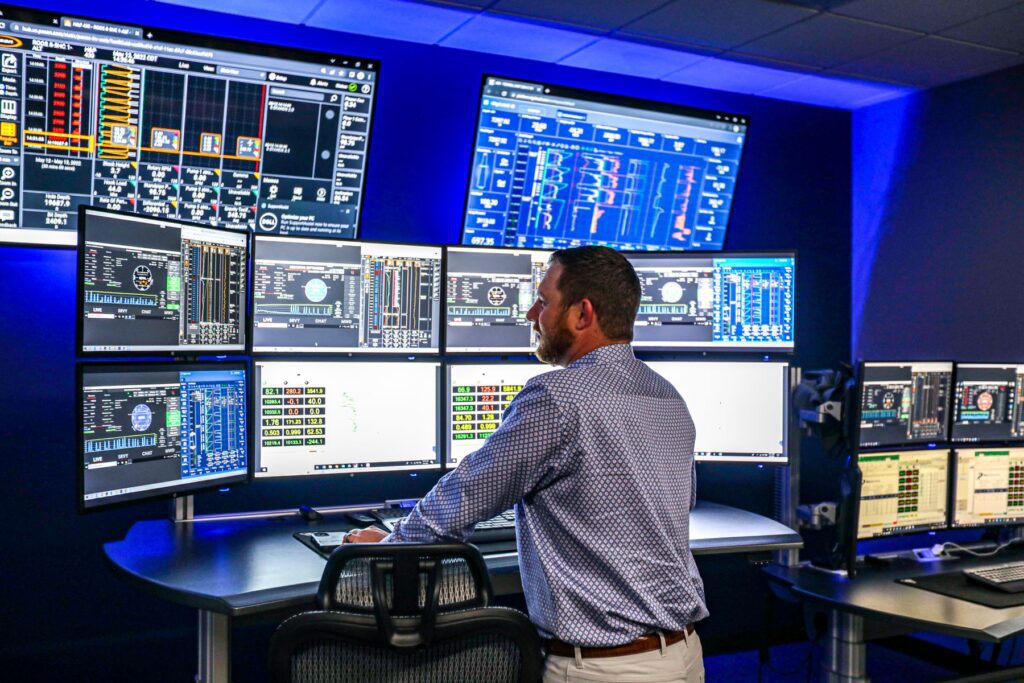
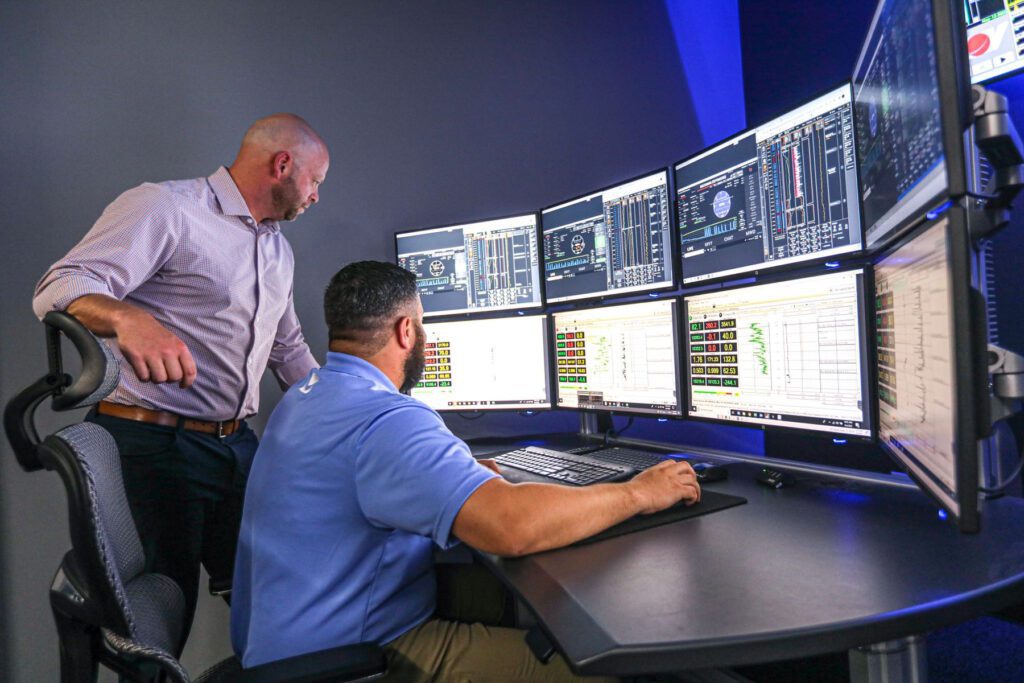
Our remote operations center is manned by our team of remote operations specialists, all of whom have considerable experience working on rigs. We have a central location for our remote operations at our headquarters, where we also have our directional and MWD coordinators, technical services team, and engineers, all of whom act as resources for our remote operations team. 

Instead of having just one person at the rig, our clients have this exceptional team of professionals available to troubleshoot any type of problem that occurs. We can escalate the issue quickly to the required experts, gather the information we need to solve the problem, and implement the solution within minutes. This simply isn’t possible without a remote operations center in place. 

Having so many eyes available to look at the issue provides a wealth of expertise and experience. We even had a situation where the pressure signature being generated by the rig pumps resulted in all the standard filtering protocols being ineffective for decoding. In this situation, our remote operations team engaged with the right resources to get a custom filter written into code and deployed it quickly in real time in order to decode the data at the surface and communicate with the tools downhole. If our client didn’t have remote operations expertise available to them, this problem would have taken days to solve, resulting in non-productive time (NPT).

What is all of this expertise worth to our clients? While it’s hard to put a dollar amount on it, most would agree it’s in the tens of thousands of dollars at least — especially when you consider the amount of NPT we’re able to help our clients eliminate. 

Ensuring we support you 24/7/365

At ProDirectional, we understand that our clients’ drilling operations run 24/7/365. That’s why our remote operations center runs 24/7/365 as well — and we don’t stop for anything. It’s a mission critical service, which is why we have built in multiple layers of redundancies, both at the center and at the rig, to ensure our support continues no matter what situation we’re in.

Our ROC has a built-in power system redundancy, three levels of communication backups, a detailed disaster recovery plan, and extreme weather event protocols. In addition, we have redundancies at the rig as well, ensuring we never lose communication between the center and the wellsite. 

Not only that, but all of our remote operations specialists also have a full setup at home, so if there is ever a situation where they are unable to come into the center, they can connect from home to provide client support. Our communication platform is proprietary technology we have built for this purpose, and it can be used from anywhere to connect to the rig.

As a result of these redundancies, we have an impeccable record for delivering our remote operations service. There is no situation in which we cannot connect to the rig. The cost of total peace of mind? We think most would agree it’s priceless.

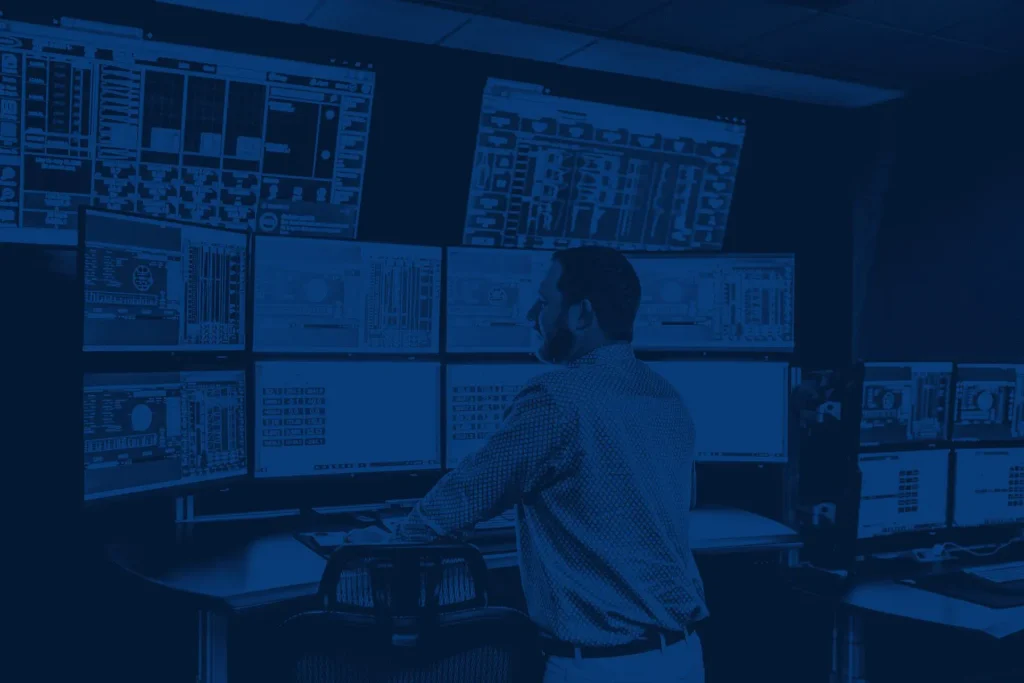
Man in remote operations standing in front of many monitors

Our Remote Operations Center is at your service

While we have a robust remote operations center, we also have personnel in the field to support changing out downhole and surface equipment when necessary. However, when it comes to major troubleshooting, our remote operations center can handle anything that comes their way — operating in this way is second nature to us after tens of thousands of tours.

Our remote operations center can completely change the trajectory of your project, eliminate NPT, and ensure any issues are resolved immediately. Get in touch with us today to discuss how the remote operations center can benefit your project.

Recent Articles

Managing Extreme Heat with OctaneXT MWD

Introduction

Modern drilling operations are entering environments that push the limits of conventional downhole technology. As operators continue targeting deeper reservoirs and more technically complex formations, extreme temperatures and high heat conditions are becoming increasingly common in directional drilling operations.

In these environments, maintaining reliable measurement capability is critical to drilling success. Directional drilling depends heavily on accurate, real-time downhole data to guide the wellbore along its planned trajectory. Without stable measurement and telemetry systems, operators lose the visibility required to maintain precise well placement.

One of the most important technologies supporting directional drilling in extreme heat environments is the measurement while drilling (MWD) system. These systems transmit essential downhole information to the surface, allowing drilling teams to monitor well trajectory, evaluate formations, and adjust drilling parameters as needed.

However, when wells encounter sustained extreme temperatures exceeding 300°F, conventional MWD systems may begin to experience performance limitations. Electronics degrade under sustained heat exposure, sensors may drift, and telemetry systems can struggle to maintain signal strength.

These challenges become especially significant during extended HT runs, where downhole tools must operate continuously for long periods while exposed to extreme heat.

Advanced systems such as Octane and OctaneXT MWD are engineered specifically to support high temperature drilling environments, helping operators maintain reliable measurement capability even under the most demanding thermal conditions.

The Increasing Prevalence of Extreme Temperature Wells

Across many oil and gas basins, drilling programs are encountering higher bottomhole temperatures than ever before. Several factors contribute to the increasing prevalence of extreme temperature drilling environments.

The first factor is the growing depth of modern wells. As operators target deeper formations to access new reservoirs, downhole temperatures increase due to the natural geothermal gradient.

The second factor is the continued expansion of extended reach drilling. Longer lateral sections increase the duration that downhole tools remain exposed to elevated temperatures.

Finally, certain geological formations naturally produce higher temperature conditions. Deep gas reservoirs and geothermal environments frequently expose drilling equipment to sustained extreme heat.

In many drilling programs today, bottomhole temperatures commonly exceed:

  • 300°F in unconventional reservoirs
  • 320°F to 340°F in deep drilling operations
  • 350°F or higher in extreme temperature wells

These temperatures place significant stress on downhole measurement systems, particularly during extended HT runs where tools remain in the well for long intervals.

Because of these conditions, drilling operations increasingly rely on high temperature MWD systems designed specifically for extreme heat environments.

Why Reliable MWD Systems Are Critical in Extreme Heat

Directional drilling requires continuous feedback from downhole measurement systems. MWD tools provide the data needed to maintain precise wellbore placement throughout the drilling process.

Key measurements typically provided by MWD systems include:

  • Inclination and azimuth measurements
  • Gamma ray measurements used for formation evaluation
  • Toolface orientation for steering adjustments
  • Downhole drilling dynamics data

In extreme temperature wells, the reliability of these measurements becomes even more important. Without stable telemetry transmission, drilling teams may lose access to the real-time data needed to guide the wellbore accurately.

Loss of measurement capability during HT drilling runs can lead to several operational challenges.

Drilling efficiency may decrease because operators must rely on delayed data rather than real-time information. Directional accuracy may also suffer, increasing the risk of wellbore placement issues.

In addition, tool failures caused by extreme heat may require additional trips to retrieve and replace equipment. These trips can significantly increase drilling time and overall well costs.

Deploying high temperature MWD systems capable of operating reliably in extreme heat conditions helps reduce these risks and maintain operational efficiency.

Engineering MWD Systems for Extreme Temperature Performance

Operating successfully in high temperature drilling environments requires careful engineering across every aspect of the MWD platform.

The entire system must be designed to tolerate sustained exposure to extreme heat while maintaining stable measurement performance.

High Temperature Electronics

One of the most important design considerations in high temperature MWD systems is the use of electronics specifically rated for extreme temperature conditions.

These electronic components are designed to function reliably even when exposed to temperatures approaching 200°C (392°F).

Temperature-rated electronics help ensure that measurement processing systems remain stable during extended exposure to extreme heat.

Without these specialized components, conventional electronics may degrade quickly when exposed to sustained high temperature environments.

Robust Telemetry Systems

Telemetry systems are responsible for transmitting downhole measurements to the surface using mud pulse signals.

Extreme heat can affect both the mechanical and electronic components of the pulser system. High temperature MWD platforms therefore incorporate telemetry systems specifically designed for extreme environments.

These systems maintain consistent signal strength even during extended exposure to extreme heat and drilling vibration.

Reliable telemetry ensures that operators continue receiving critical drilling data during long HT runs.

Sensor Stability in Extreme Heat

MWD systems rely on sensors to measure directional orientation and formation properties.

Extreme heat can affect sensor calibration and measurement accuracy. High temperature MWD tools therefore incorporate sensors designed to maintain stability even in demanding thermal environments.

Advanced measurement systems may also incorporate redundant sensor capability to improve reliability during extended high temperature drilling operations.

Thermal Management Strategies in High Temperature MWD Systems

Managing heat exposure is an important part of designing tools capable of operating in extreme temperature environments.

High temperature MWD systems often incorporate several strategies to reduce the impact of sustained thermal exposure.

Thermal Isolation

Sensitive electronic components may be located within sections of the tool designed to reduce heat exposure.

Thermal isolation helps protect critical systems from direct contact with extreme downhole temperatures.

Material Selection

The materials used in high temperature drilling tools must maintain structural integrity under extreme heat conditions.

Specialized alloys and materials are selected to withstand thermal expansion and prevent structural degradation.

Mechanical Reinforcement

Extreme temperature environments can place additional stress on mechanical connections within the tool.

High temperature MWD systems often incorporate reinforced structural elements designed to maintain durability during long HT runs.

By combining these strategies, modern MWD platforms can operate reliably even in the most demanding drilling environments.

Octane and OctaneXT MWD in High Temperature Drilling

As drilling operations continue encountering higher temperatures, advanced measurement systems are required to maintain operational reliability.

The Octane and OctaneXT MWD platforms are designed to support high temperature drilling programs by incorporating engineering features that improve performance in extreme heat environments.

These systems combine temperature-rated electronics, durable telemetry systems, and robust sensor architecture to support extended HT runs.

Key capabilities include:

  • electronics designed for extreme temperature environments
  • telemetry systems capable of maintaining stable signal transmission
  • sensor architecture designed for measurement stability
  • durable mechanical design capable of operating under sustained thermal exposure

These features help ensure reliable measurement performance even in challenging drilling environments.

Supporting Extended HT Runs in Modern Wells

Modern drilling programs frequently involve extended lateral sections exceeding 15,000 to 20,000 feet or more.

These long drilling intervals require MWD systems capable of operating continuously for extended periods while exposed to high temperatures.

Extended HT runs create several challenges for downhole tools.

Tools must maintain measurement accuracy while exposed to continuous vibration from drilling operations. Electronics must continue functioning despite prolonged heat exposure.

Telemetry systems must transmit reliable signals throughout the entire drilling interval.

High temperature MWD platforms designed for extreme heat environments help ensure that these requirements are met.

By maintaining reliable measurement capability during extended drilling operations, these systems help operators avoid costly interruptions caused by tool failures.

Field Performance in Extreme Temperature Wells

Field performance data demonstrates the importance of deploying specialized MWD systems for high temperature drilling operations.

In multiple drilling programs across different basins, high temperature MWD systems have successfully operated in environments exceeding 320°F and even higher.

These operations highlight the ability of advanced measurement systems to maintain reliable performance during extended exposure to extreme heat.

In certain drilling programs, MWD tools have completed HT runs exceeding 14,000 feet while operating in temperatures approaching 360°F.

These results demonstrate the effectiveness of engineering approaches designed to support extreme temperature drilling environments.

Selecting the Right MWD System for High Temperature Wells

Choosing the appropriate measurement system for a drilling program requires careful consideration of several factors.

Operators must evaluate:

  • expected bottom hole temperature
  • drilling interval length
  • formation characteristics
  • directional drilling complexity

In moderate temperature wells, standard measurement systems may provide adequate performance.

However, in wells expected to encounter sustained extreme heat conditions, specialized high temperature MWD systems such as OctaneXT may provide greater reliability.

Selecting the right system helps ensure continuous measurement capability while minimizing the risk of tool failures during extended drilling operations.

The Future of High Temperature Drilling Technology

As drilling programs continue expanding into deeper and hotter reservoirs, extreme temperature environments will become increasingly common.

Future drilling operations will require measurement systems capable of operating reliably under conditions that exceed traditional design limits.

Advances in high temperature electronics, sensor technology, and telemetry systems will continue improving the performance of MWD platforms designed for extreme drilling environments.

High temperature measurement systems such as Octane and OctaneXT MWD represent an important step forward in supporting these operations.

By combining temperature-rated electronics, robust telemetry systems, and durable mechanical architecture, these platforms help ensure reliable performance during extended HT runs in extreme heat environments.

As the industry continues pushing into more demanding drilling conditions, specialized high temperature MWD technology will remain essential to maintaining drilling efficiency, improving well placement accuracy, and supporting successful drilling operations.

High Temperature MWD Performance in Extreme Downhole Conditions

Introduction

Drilling programs around the world continue to push into deeper formations and more technically demanding reservoirs. As a result, high temperature drilling environments are becoming increasingly common, forcing operators and service providers to rethink the reliability limits of conventional downhole tools.

One of the most critical technologies affected by extreme temperatures and extreme heat conditions is the measurement while drilling (MWD) system. These tools provide the real-time directional and formation data required to maintain accurate well placement during drilling operations. Without reliable telemetry and measurement capability, drilling teams lose the visibility necessary to guide the wellbore through complex formations.

In modern wells where bottom hole temperatures frequently exceed 300°F and continue rising, maintaining reliable MWD performance requires systems engineered specifically for high temperature drilling environments. Tools designed for standard conditions often struggle during extended HT runs, where sustained exposure to extreme heat can degrade electronic components, reduce telemetry efficiency, and increase the risk of tool failure.

Advanced systems such as Octane and OctaneXT MWD are designed to operate in these demanding environments, providing reliable data transmission and directional measurements even under sustained thermal stress.

As the industry continues drilling deeper wells and longer laterals, the ability to maintain reliable MWD performance in extreme temperature conditions will remain essential for both operational efficiency and overall well economics.

The Growing Challenge of Extreme Temperature Wells

Over the past decade, the oil and gas industry has seen a steady increase in wells drilled under high temperature and high pressure conditions. Many modern drilling programs now encounter downhole temperatures that exceed the design limits of traditional measurement tools.

Several factors are driving this trend.

First, operators are drilling deeper wells in order to access reservoirs that were previously considered uneconomic. As depth increases, the natural geothermal gradient causes temperatures to rise significantly.

Second, longer lateral drilling sections expose downhole tools to extreme temperatures for longer periods of time. Extended exposure to heat can accelerate component degradation and increase the risk of tool failure during drilling.

Third, certain geological formations naturally produce higher temperature conditions. Basins with deep gas formations or geothermal gradients often present extreme heat environments that challenge standard drilling equipment.

In many modern wells, bottom hole temperatures now exceed:

  • 300°F in many unconventional reservoirs
  • 320°F to 340°F in deep drilling environments
  • 350°F or higher in extreme temperature wells

When drilling under these conditions, conventional MWD systems may struggle to maintain reliable telemetry performance. Sensors can drift, electronics can degrade, and pulser systems may experience reduced signal strength.

These challenges make it essential for operators to deploy high temperature MWD systems specifically engineered for extreme heat conditions.

Why Reliable MWD Systems Are Critical in High Temperature Drilling

Directional drilling relies on real-time downhole data to guide the well along its planned trajectory. Without accurate measurement data, drilling teams lose the ability to maintain precise wellbore placement.

MWD systems typically provide several critical measurements during drilling operations:

  • Inclination and azimuth for directional control
  • Gamma ray measurements for formation evaluation
  • Toolface orientation for steering adjustments
  • Drilling dynamics data that helps optimize drilling parameters

In extreme temperature environments, the reliability of this data becomes even more important. If telemetry transmission becomes unreliable during an HT run, drilling teams may lose visibility into downhole conditions.

Loss of real-time data can lead to several operational problems:

  • Reduced directional accuracy
  • Increased drilling inefficiencies
  • Higher risk of wellbore placement issues
  • Additional trips to replace failed tools

Because high temperature wells are often complex and expensive, these disruptions can significantly increase overall well costs.

Reliable high temperature MWD technology helps mitigate these risks by ensuring that telemetry transmission and measurement capability remain stable even during extended exposure to extreme heat.

The Impact of Extreme Heat on Downhole Electronics

Extreme heat environments create significant challenges for electronic systems operating downhole. Most conventional electronic components are not designed to withstand sustained exposure to temperatures exceeding 300°F.

When electronic systems are exposed to extreme temperatures for long durations, several problems can occur.

Semiconductor components may experience thermal degradation, reducing their ability to process data reliably. Signal amplification circuits may begin to drift, weakening telemetry transmission. Sensor components can become less stable, resulting in reduced measurement accuracy.

These issues are especially problematic during extended HT runs, where the tool remains downhole for long periods of time while continuously exposed to high temperatures.

Heat exposure can also accelerate mechanical wear within the tool. Materials expand and contract under extreme temperature changes, placing stress on internal components and connectors.

For these reasons, high temperature MWD systems must be designed with components capable of operating under sustained thermal stress.

Engineering MWD Systems for High Temperature Environments

Operating successfully in extreme temperature wells requires specialized engineering across the entire MWD system architecture.

Several design elements are essential for reliable performance in high temperature drilling environments.

Temperature Rated Electronics

High temperature MWD systems use electronic components specifically rated for elevated thermal conditions. These components are designed to maintain stable operation even when exposed to sustained heat.

Many advanced MWD systems incorporate electronics rated up to 200°C (392°F), providing the thermal tolerance necessary for extreme drilling environments.

Using temperature-rated components helps ensure that the system continues operating reliably during extended HT runs.

High Temperature Telemetry Systems

Telemetry systems are responsible for transmitting downhole data to the surface using mud pulse signals. In extreme temperature environments, maintaining telemetry reliability becomes increasingly challenging.

High temperature pulser systems must withstand both extreme heat and constant drilling vibration. These systems are engineered to maintain consistent signal strength even when exposed to prolonged thermal stress.

Reliable telemetry transmission ensures that directional drilling teams continue receiving real-time data throughout the drilling process.

Redundant Measurement Capability

In high temperature drilling environments, redundancy can significantly improve tool reliability.

Redundant sensors and measurement systems provide backup capability if individual components experience thermal degradation. This approach helps ensure that directional measurements and formation evaluation data remain available throughout the drilling operation.

Redundancy is particularly valuable during long HT runs, where the tool must operate continuously under extreme conditions.

Supporting Extended HT Runs in Modern Wells

Modern drilling programs frequently involve lateral sections exceeding 20,000 feet or more. These extended drilling intervals require MWD systems capable of maintaining reliable performance over long durations.

Extended HT runs place continuous stress on downhole tools due to:

  • sustained high temperatures
  • mechanical vibration from drilling operations
  • extended exposure to drilling fluids and pressure

To operate reliably in these conditions, high temperature MWD systems must be engineered for durability as well as thermal tolerance.

Tools designed for extreme heat environments incorporate robust mechanical structures, reinforced electronic packaging, and thermal management features that protect critical components.

These design elements allow MWD systems to maintain reliable performance even during long drilling intervals in extreme temperature conditions.

Field Performance in Extreme Temperature Drilling

Real-world drilling results demonstrate the importance of deploying high temperature MWD technology in demanding environments.

Field data from high temperature drilling operations shows that properly engineered systems can achieve consistent performance even when exposed to extreme heat.

Advanced MWD systems such as Octane and OctaneXT MWD have been designed specifically to support these environments.

These systems incorporate:

  • high temperature electronics rated for extreme heat
  • robust telemetry systems designed for sustained operation
  • redundant measurement capability for improved reliability

In several drilling programs, high temperature MWD systems have successfully completed long HT runs exceeding 14,000 feet while operating in temperatures above 360°F.

These results highlight the capability of modern high temperature MWD technology to operate reliably in extreme drilling environments.

The Role of High Temperature MWD Technology in Modern Drilling

As drilling programs continue to expand into deeper and hotter reservoirs, high temperature MWD systems will become increasingly important.

Operators must ensure that their measurement systems can maintain reliable performance under extreme conditions. Without this capability, drilling efficiency can suffer and well costs can increase significantly.

Modern high temperature MWD platforms provide the reliability needed to support these operations. By incorporating temperature-rated electronics, robust telemetry systems, and redundant measurement capability, these tools help ensure continuous downhole data transmission even in the most demanding environments.

Systems such as Octane and OctaneXT MWD are designed to provide this level of performance, allowing operators to maintain directional control and drilling efficiency even during extended HT runs in extreme heat environments.

High Temperature Drilling

As exploration and development continue pushing into deeper reservoirs, extreme temperature drilling environments will become more common.

Future drilling programs will increasingly rely on tools capable of operating reliably in temperatures exceeding traditional design limits.

Advances in high temperature electronics, telemetry systems, and downhole measurement technology will play a key role in supporting these operations.

High temperature MWD systems designed for extreme heat environments will help ensure that drilling teams continue receiving the real-time data required to guide complex wells safely and efficiently.

For operators working in high temperature reservoirs, deploying reliable MWD technology is not just a technical advantage it is a critical factor in maintaining drilling performance, reducing operational risk, and ensuring successful well delivery.

OctaneXT MWD for Extreme Temperature HT Runs

Introduction

As drilling programs continue pushing into deeper formations and hotter reservoirs, the oil and gas industry is encountering increasingly challenging operating conditions. Many modern wells now expose downhole tools to extreme temperatures and sustained thermal environments that push the limits of conventional drilling technology.

In these demanding conditions, high temperature drilling performance becomes critical to maintaining operational efficiency. Directional drilling operations depend on accurate real-time downhole data, and without reliable telemetry systems, maintaining wellbore placement becomes significantly more difficult.

One of the most important technologies supporting directional drilling in extreme heat environments is the measurement while drilling (MWD) system. These systems provide continuous downhole data that allows drilling teams to monitor well trajectory, evaluate formation characteristics, and optimize drilling performance.

However, when wells encounter sustained extreme heat conditions exceeding 300°F, many conventional measurement systems begin to experience reliability challenges. Electronic components degrade, telemetry systems weaken, and sensors may become less stable over time.

These challenges become even more pronounced during extended HT runs, where tools remain downhole for long periods while exposed to sustained high temperatures.

To address these conditions, modern drilling operations increasingly rely on specialized high temperature MWD platforms such as Octane and OctaneXT, which are designed specifically to operate in extreme temperature drilling environments.

Understanding HT Runs in Modern Drilling Programs


The term HT run typically refers to drilling intervals where the downhole tool is exposed to sustained high temperature environments for extended periods of time.

In modern drilling operations, HT runs are becoming more common due to several factors.

First, wells are becoming significantly deeper. As depth increases, the natural geothermal gradient causes temperatures to rise steadily. In many basins, bottomhole temperatures can exceed 300°F, and deeper wells may encounter temperatures approaching 340°F or higher.

Second, modern drilling programs often involve longer lateral sections designed to maximize reservoir contact. These extended intervals require tools that can operate reliably for long durations without being retrieved from the well.

Third, certain geological formations naturally produce extreme heat conditions. Deep gas reservoirs and high-pressure formations frequently present temperature challenges that push conventional drilling equipment to its limits.

During extended HT runs, MWD tools may remain exposed to extreme heat for several hours or even days. Sustained exposure to high temperature environments places significant stress on both electronic and mechanical components within the tool.

Without specialized engineering, these conditions can reduce tool reliability and increase the likelihood of failure.

The Impact of Extreme Heat on Downhole Measurement Systems


Extreme heat environments create several challenges for MWD systems operating downhole. The combination of high temperature, pressure, and mechanical vibration places continuous stress on the tool’s internal components.

One of the most sensitive components within an MWD system is the electronic circuitry responsible for processing measurement data and transmitting telemetry signals.

Most conventional electronics are not designed to withstand sustained exposure to temperatures above 300°F. When these components are exposed to extreme heat, several issues may occur.

Electronic circuits may begin to degrade due to thermal stress. Signal amplification systems can become less stable, reducing telemetry transmission reliability. Measurement sensors may experience drift, affecting the accuracy of directional data.

In addition to electronic challenges, extreme heat can also affect mechanical components within the tool. Materials expand when exposed to high temperatures, which can place stress on connectors, seals, and structural elements.

Over time, this stress can lead to reduced tool performance and increased failure risk.

These challenges highlight the importance of deploying high temperature MWD systems specifically designed for extreme drilling environments.

Why Conventional MWD Systems Often Struggle During HT Runs


Traditional MWD tools were designed for moderate drilling environments where downhole temperatures remained within predictable ranges. While these systems may perform well in standard wells, they often struggle when exposed to the sustained thermal conditions encountered during extreme temperature drilling operations.

Several factors contribute to this limitation.

Thermal Stress on Electronics

Electronic systems generate heat during normal operation. When external temperatures are already extremely high, internal components may reach levels that exceed their design limits.

This can lead to reduced signal processing capability or even complete system failure.

Telemetry Signal Degradation

Telemetry systems rely on pulser technology to transmit data to the surface through drilling fluid. Extreme temperatures can affect both the electronic and mechanical components of the pulser system.

Reduced pulser efficiency may weaken telemetry signals, making it difficult for surface systems to interpret downhole data.

Sensor Instability

MWD tools rely on sensors to measure directional orientation and formation properties. Extreme heat can affect sensor calibration, potentially reducing measurement accuracy.

Reduced Operational Life

Sustained exposure to extreme heat can shorten the operational lifespan of downhole tools. Components exposed to thermal stress for extended periods may degrade faster than expected.

Because of these challenges, drilling programs encountering high temperature environments require specialized MWD systems engineered for HT drilling operations.

Engineering MWD Systems for Extreme Temperature Performance


Operating reliably in extreme heat environments requires careful engineering across the entire MWD platform. Every major component must be designed to tolerate sustained exposure to high temperature conditions.

Advanced systems such as Octane and OctaneXT MWD incorporate several engineering features that support reliable performance during HT runs.

High Temperature Electronics

One of the most important design elements in high temperature MWD systems is the use of electronics specifically rated for extreme temperature conditions.

These components are designed to maintain stable operation even when exposed to sustained temperatures approaching 200°C (392°F).

Temperature-rated electronics help ensure that the measurement processing system continues functioning reliably even during extended exposure to extreme heat.

Robust Telemetry Systems

Telemetry reliability is essential for directional drilling operations. High temperature MWD systems incorporate pulser technology designed to operate under both extreme heat and continuous drilling vibration.

These telemetry systems maintain consistent signal strength, ensuring that real-time data continues to reach the surface even during demanding drilling conditions.

Redundant Measurement Systems

In high temperature environments, redundancy plays an important role in maintaining tool reliability.

Some MWD systems incorporate redundant measurement sensors that provide backup capability if individual components are affected by thermal stress.

This design approach helps ensure that critical directional data remains available throughout extended HT drilling runs.

Octane and OctaneXT MWD Systems in High Temperature Drilling

As drilling programs continue encountering extreme temperature environments, specialized measurement systems have become increasingly important.

The Octane and OctaneXT MWD platforms are designed to support high temperature drilling operations by incorporating engineering features that improve reliability in extreme heat environments.

These systems combine high temperature electronics, robust telemetry technology, and durable mechanical design to support extended HT runs.

Key features supporting high temperature performance include:

  • electronics rated for extreme thermal environments
  • pulser systems designed for reliable telemetry transmission
  • sensor architecture designed for measurement stability
  • robust mechanical structures capable of operating under sustained heat exposure

By integrating these engineering features, Octane and OctaneXT systems are capable of maintaining reliable performance in drilling environments where conventional tools may struggle.

Supporting Extended Lateral Drilling in Extreme Heat

Modern drilling programs frequently involve lateral sections that extend 15,000 to 20,000 feet or more. These extended drilling intervals require downhole tools capable of operating continuously for long periods of time.

When these long drilling intervals occur in extreme temperature environments, the demands on MWD systems become even greater.

Extended HT runs place continuous stress on tools due to:

  • sustained high temperature exposure
  • constant mechanical vibration
  • extended drilling intervals

To maintain reliable performance under these conditions, high temperature MWD systems must be engineered for both thermal durability and mechanical reliability.

Systems designed specifically for extreme temperature drilling environments help ensure that directional measurements and telemetry signals remain stable throughout the drilling process.

Field Performance in Extreme Temperature Wells

Field performance data provides valuable insight into the reliability of high temperature MWD systems.

In several drilling programs across multiple basins, advanced measurement systems have successfully operated in environments exceeding 320°F and even higher.

These operations demonstrate the importance of deploying specialized tools designed for high temperature drilling.

In certain cases, MWD systems have successfully completed HT runs exceeding 14,000 feet while operating in temperatures approaching 360°F.

These results highlight the capability of modern high temperature MWD technology to operate reliably under extreme thermal conditions.

Selecting the Right MWD System for HT Drilling Operations

Choosing the right MWD system for a drilling program requires careful consideration of several factors.

Operators must evaluate:

  • expected bottomhole temperature
  • drilling interval length
  • formation characteristics
  • directional drilling complexity

In moderate temperature environments, standard MWD systems may provide sufficient performance.

However, when drilling operations are expected to encounter sustained extreme heat, specialized high temperature systems such as OctaneXT MWD may provide significant reliability advantages.

Selecting the appropriate measurement platform helps ensure that drilling operations continue without unnecessary interruptions caused by tool failures.

The Future of High Temperature MWD Technology

As drilling operations continue expanding into deeper and hotter reservoirs, extreme temperature drilling environments will become increasingly common.

Future wells will likely encounter temperatures that exceed the limits of conventional drilling tools. This will require continued innovation in high temperature electronics, sensor technology, and telemetry systems.

Advances in MWD engineering will help ensure that drilling teams continue receiving reliable real-time data even in the most demanding environments.

High temperature platforms such as Octane and OctaneXT MWD represent an important step forward in measurement technology designed for extreme drilling conditions.

By combining temperature-rated electronics, robust telemetry systems, and durable mechanical design, these systems help support reliable performance during extended HT runs in extreme heat environments.

As the industry continues pushing into deeper and hotter reservoirs, specialized high temperature MWD technology will remain essential to maintaining drilling efficiency and well placement accuracy.
Scroll to Top